
Diesel vs Gasoline: Key Differences Explained
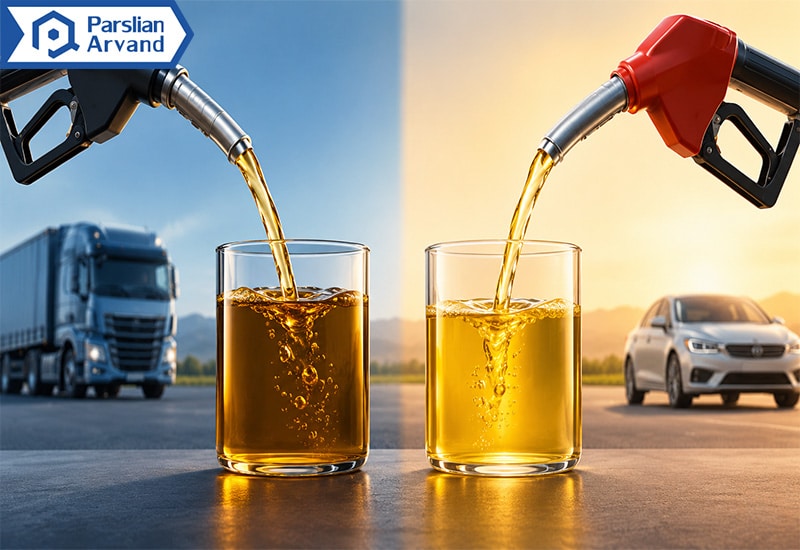
Choosing between two vehicles with diesel vs gasoline is one of the most fundamental decisions faced by car buyers, transportation…
Ethanol in Gasoline: What E10, E15 and E85 Actually Mean
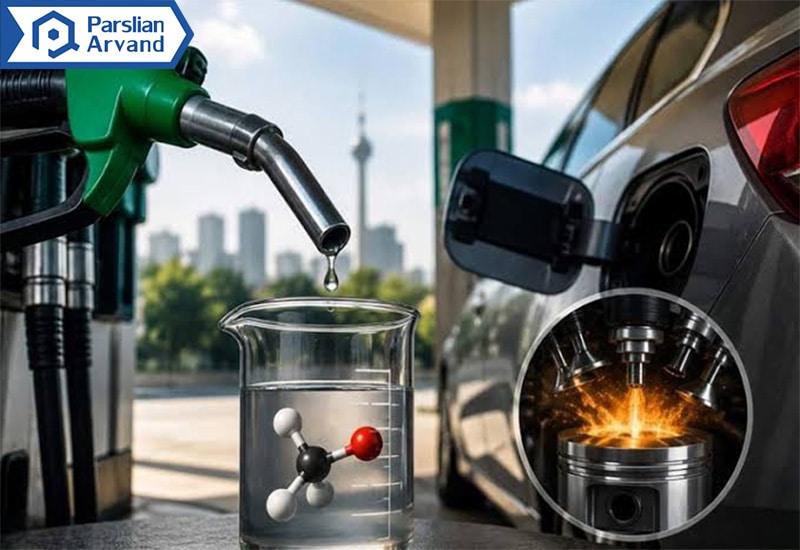
Ethanol in gasoline has become an inseparable part of modern vehicle fuel in many countries. At the gas station, you…
What Is Diesel Fuel Made Of? Composition & Production Explained
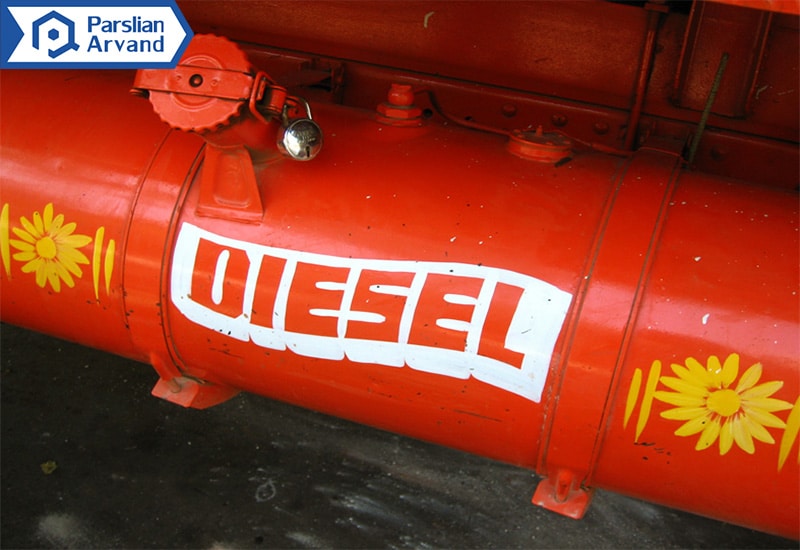
Diesel fuel is a middle distillate fuel designed primarily for compression ignition engines. Unlike gasoline engines, which use a spark…
Octane Rating Explained: What the Numbers on the Pump Really Mean
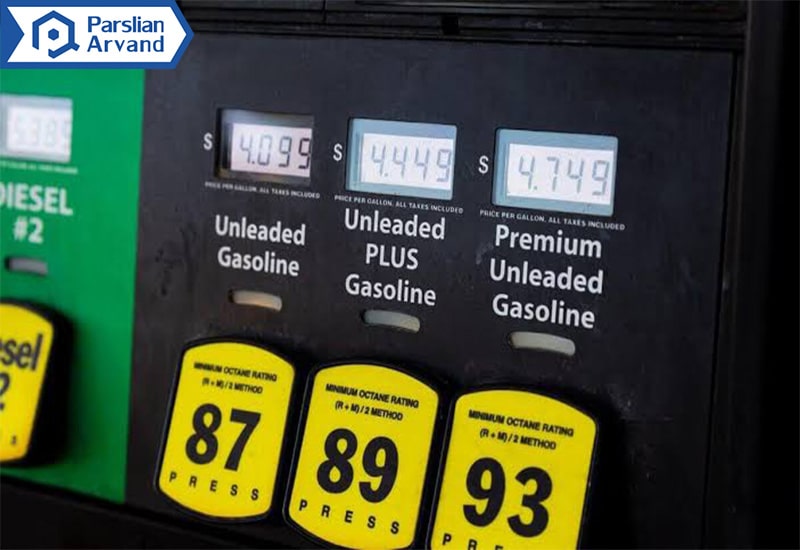
Octane rating tells you how resistant gasoline is to engine knock. It does not measure how much energy the fuel…
What Is Gasoline? A Complete Breakdown

Gasoline looks like a simple fuel at the pump, but chemically it is anything but simple. It is a carefully…
How API Gravity of Crude Oil Is Tested and Why It Matters
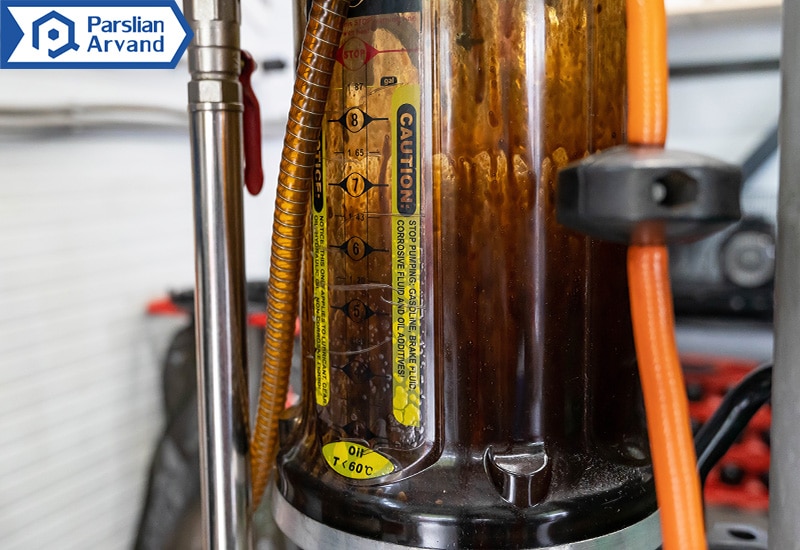
API gravity of crude oil testing provides one of the quickest ways to describe how heavy or light a crude…
ASTM D86 Distillation Test Explained: What It Measures and Why
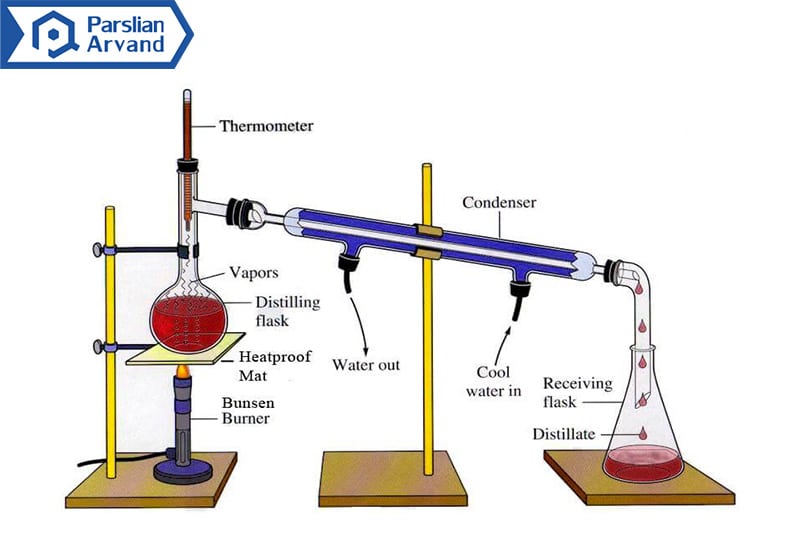
The ASTM D86 distillation test is one of the petroleum industry’s fundamental methods for evaluating how a liquid fuel evaporates…
Bunker Fuel Testing Under ISO 8217: A Practical Guide
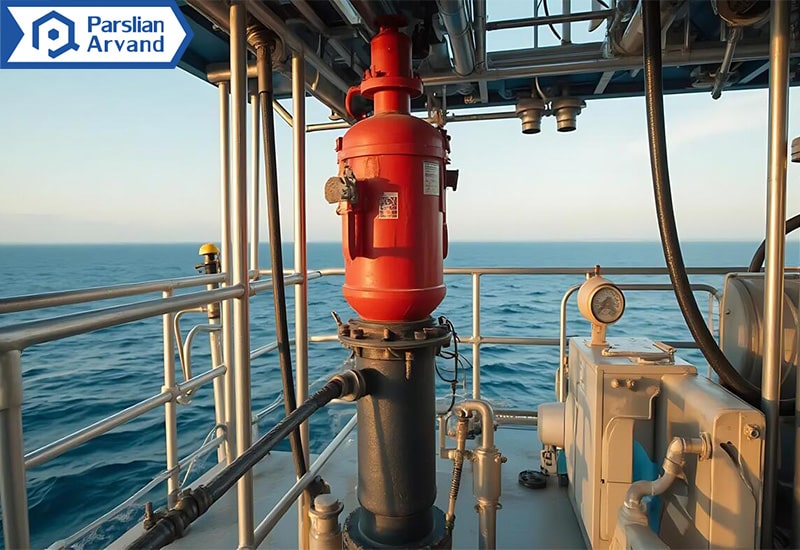
Bunker fuel testing ISO 8217 provides shipowners, bunker suppliers, traders, terminals, and inspection companies with a structured way to assess…
Marine Fuel Oil Quality Testing: What Shipowners Need to Know

Marine fuel oil testing is one of the most practical safeguards available to a shipowner after bunkering. A fuel may…
Crude Oil Sampling Methods: Manual vs Automatic Explained
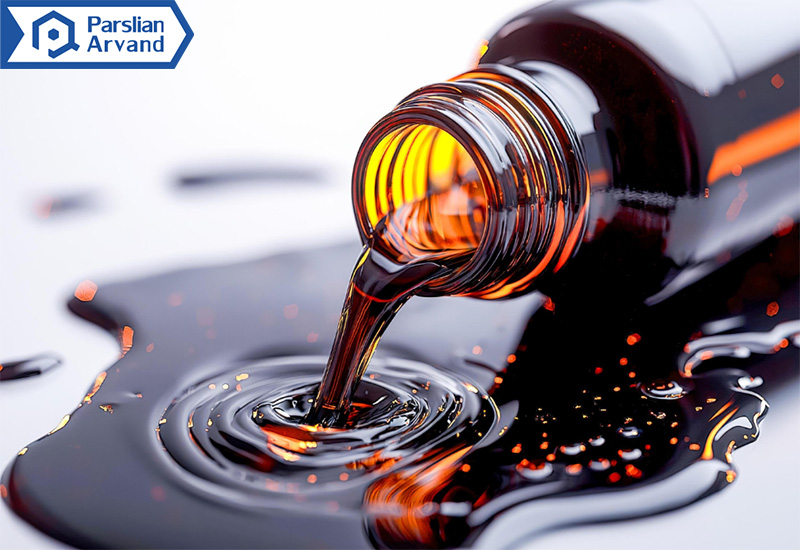
Crude oil sampling is one of the most important steps in petroleum quality assessment because every laboratory result depends on…