
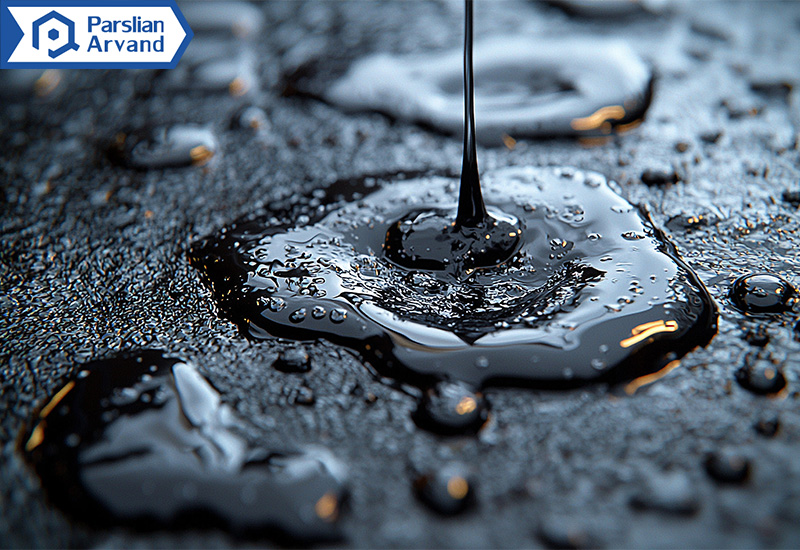
The byproducts of crude oil are far more varied than gasoline and diesel. Once crude oil enters a refinery, it can be separated and converted into transport fuels, heating fuels, liquefied gases, lubricants, asphalt, petroleum coke, waxes, solvents, and feedstocks for the petrochemical industry.
Parsbehin lab provides laboratory testing and quality control services for petroleum products, lubricants, fuels, light and heavy hydrocarbons, and hydrocarbon solvents. These services help refineries, traders, manufacturers, importers, and exporters verify the identity and quality of different crude oil derivatives before they are released, purchased, or used. Parsbehin lab began operating as a partner laboratory of the National Standard Organization of Iran in 2007 and has developed specialized petroleum testing capabilities within its laboratory network.
So, what comes from a barrel of oil? The precise answer changes with the type of crude, refinery configuration, processing conditions, blending materials, and market demand. A barrel does not yield one fixed set of quantities. It becomes a flexible mix of fuels, refinery gases, industrial materials, and chemical feedstocks.
What Comes From a Barrel of Oil in Practical Terms?
A standard US barrel contains 42 gallons of crude oil. However, a refinery may produce more than 42 gallons of finished liquid products from that input.
This increase is known as processing gain. It occurs because many finished products have a lower density than the crude oil from which they are produced. The mass is not increasing. The products simply occupy more volume after heavier hydrocarbon molecules are converted and blended into lighter materials.
The US Energy Information Administration reported that American refineries produced an average of 44.65 gallons of products from each 42 gallon barrel of crude oil in 2023. The average processing gain was 2.65 gallons, or approximately 6.3 percent. These figures represent a national annual average, not a guaranteed output for every refinery or crude grade.
“The total volume of products that refineries produce is greater than the volume of crude oil that refineries process.”
Source: US Energy Information Administration.
Average Products From One Barrel of Crude Oil
| Oil refinery products | Average US output per barrel in 2023 |
|---|---|
| Finished motor gasoline | 19.57 gallons |
| Distillate fuel oil | 12.47 gallons |
| Kerosene type jet fuel | 4.41 gallons |
| Petroleum coke | 2.06 gallons |
| Refinery still gas | 1.68 gallons |
| Hydrocarbon gas liquids | 1.55 gallons |
| Asphalt and road oil | 0.84 gallons |
| Residual fuel oil | 0.71 gallons |
| Lubricants | 0.38 gallons |
| Naphtha for feedstocks | 0.34 gallons |
| Other feedstock oils | 0.21 gallons |
| Miscellaneous products | 0.21 gallons |
| Special naphthas | 0.08 gallons |
| Aviation gasoline | 0.04 gallons |
| Kerosene | 0.04 gallons |
| Waxes | Less than 0.01 gallon |
The total shown by the EIA is 44.65 gallons. Refiners may also use condensates, natural gas liquids, unfinished oils, ethanol, biofuels, and other blending components when producing finished products.
The Main Byproducts of Crude Oil Refining
The expression Byproducts of crude oil refining is widely used, although it is not always technically precise. Gasoline, diesel, and jet fuel are generally intentional primary products, not incidental byproducts.
In commercial usage, however, the term often refers to all materials obtained from refining crude oil. The major categories are explained below. A clear understanding of the byproducts of crude oil helps explain the range of materials obtained during refining.
1. Gasoline
Gasoline is one of the largest volume oil refinery products. It is normally blended from several refinery streams rather than collected directly from one section of a distillation tower.
Finished gasoline may contain reformate, alkylate, isomerate, cracked gasoline, oxygenates, and additives. Its quality is controlled through properties such as octane rating, vapor pressure, sulfur, distillation characteristics, gum, and oxidation stability.
2. Diesel and Distillate Fuel Oil
Distillate fuel oil includes diesel and certain heating fuels. Diesel is used in road transport, generators, construction machinery, agricultural equipment, and industrial applications.
Its important quality characteristics include cetane performance, sulfur, viscosity, density, flash point, water, cold flow behavior, and distillation profile. The EIA reports that distillate fuel oil represented 12.47 gallons of the average 2023 US refinery output per barrel.
3. Jet Fuel and Kerosene
Kerosene range streams may be processed into Jet A, Jet A-1, aviation turbine fuel, or general purpose kerosene.
Jet fuel requires strict control of freezing point, flash point, thermal stability, water separation, conductivity, cleanliness, sulfur, and combustion related properties. Aviation gasoline is also produced, although in much smaller quantities than turbine fuel.
4. Hydrocarbon Gas Liquids
Refineries recover propane, butane, and other light hydrocarbons. These materials may be sold as liquefied petroleum gases, used within refinery operations, added to fuel blends, or transferred to petrochemical facilities.
These light crude oil derivatives are used in heating, cooking, industrial processes, aerosol propellants, and chemical production. These applications demonstrate the broad industrial importance of the byproducts of crude oil.
5. Residual Fuel Oil
Residual fuel oil is made from heavier refinery materials remaining after lighter components have been separated or converted.
Depending on its grade, it may be used in marine engines, industrial boilers, power generation, or further refinery processing. Important properties include viscosity, density, sulfur, water, sediment, ash, carbon residue, and metallic contaminants.
6. Asphalt and Road Oil
The heaviest parts of some crude oils can be processed into asphalt. Asphalt products are used for road paving, roofing, waterproofing, protective coatings, and construction.
Not every crude is equally suitable for asphalt production. The properties of the crude residue and the refinery process affect hardness, penetration, softening point, durability, and other performance characteristics.
7. Petroleum Coke
Petroleum coke is a carbon rich solid produced when heavy refinery residues undergo thermal conversion in a coking unit.
Fuel grade petroleum coke is commonly used as an industrial fuel. Higher quality coke may be processed for applications such as aluminum production. Its suitability depends on sulfur, metals, ash, volatile matter, moisture, and physical structure.
8. Lubricants and Base Oils
Suitable heavy distillates can be processed into lubricant base oils. These base stocks are blended with additives to produce engine oils, hydraulic fluids, gear oils, compressor oils, turbine oils, and industrial lubricants.
Lubricants represent a relatively small volume compared with fuels, but they can be high value oil refinery products because of their specialized performance requirements.
9. Waxes and Special Naphthas
Petroleum waxes are used in candles, packaging, coatings, polishes, cosmetics, adhesives, and industrial formulations.
Special naphthas are refined hydrocarbon mixtures used as solvents, cleaning fluids, diluents, and chemical feedstocks. Their composition and boiling range vary according to the intended application.
10. Refinery Still Gas
Still gas contains light gases generated during refinery operations. Much of it is consumed within the refinery as fuel for furnaces, boilers, and process heaters.
It may not appear as a consumer product, but it remains an important part of the refinery material and energy balance.
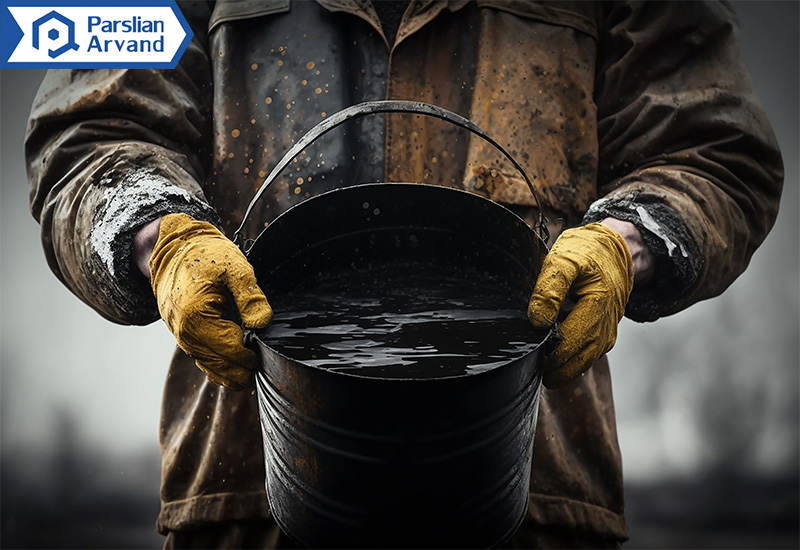
Products Made From Crude Oil Through Petrochemical Processing
Many familiar Products made from crude oil do not leave the refinery as finished goods. They are manufactured through additional petrochemical and industrial stages.
Naphtha, refinery gases, and other hydrocarbon streams may be converted into chemicals such as ethylene, propylene, benzene, and toluene. These chemicals become starting materials for polymers, resins, synthetic fibers, solvents, detergents, and coatings.
The US Department of Energy states that petrochemicals derived from oil and natural gas make the manufacture of more than 6,000 everyday products and advanced devices possible. Its examples include plastics, adhesives, synthetic rubber, detergents, pharmaceuticals, insulation, electronics, clothing fibers, solvents, and paint.
Common Products made from crude oil or petroleum derived feedstocks include:
- Plastic packaging and containers
- Synthetic rubber and vehicle tires
- Nylon, polyester, and other synthetic fibers
- Adhesives, sealants, and resins
- Detergents and cleaning products
- Electrical insulation and cable coatings
- Medical devices and pharmaceutical materials
- Cosmetics and personal care products
- Solvents, inks, paints, and protective coatings
These items should not be described as direct refinery outputs. This distinction is important when identifying the byproducts of crude oil and separating refinery outputs from downstream products. They are downstream products made from petrochemical ingredients that originated partly from crude oil or natural gas.
Is Paint a Byproduct of Crude Oil?
Is paint a byproduct of crude oil? The most accurate answer is that paint is not normally a direct product of crude oil refining, but many paints contain petroleum derived ingredients.
A refinery may produce naphtha and other feedstocks that are converted into solvents, resins, binders, plasticizers, and additives. Paint manufacturers then combine those materials with pigments and other components.
The Department of Energy includes house paint, epoxy paint, enamel, dyes, solvents, and related materials among products enabled by petroleum and natural gas derived petrochemicals.
Therefore, when asking Is paint a byproduct of crude oil, it is better to describe paint as a downstream petroleum derived product rather than a direct refinery byproduct.
How Many Byproducts of Crude Oil Are There?
There is no single scientific answer to How many byproducts of crude oil exist. The number depends entirely on what is being counted.
The categories may include:
- Major refinery streams
- Individual grades of fuels and lubricants
- Petrochemical feedstocks
- Intermediate chemical compounds
- Finished industrial and consumer goods
If only major refinery categories are counted, the answer may be a few dozen. If individual fuel grades, chemical intermediates, and manufactured goods are included, the number reaches into the thousands.
This is why the question How many byproducts of crude oil should always be answered with a clear distinction between refinery outputs and downstream products.
Why Laboratory Testing Is Necessary
Different byproducts of crude oil cannot be identified or approved reliably from color, odor, or appearance alone.
Depending on the material, laboratory analysis may measure:
- Density and API gravity
- Viscosity
- Sulfur concentration
- Water and sediment
- Flash point
- Distillation range
- Pour point
- Ash and carbon residue
- Hydrocarbon composition
- Additive or metallic elements
Parsbehin laboratory operates a petroleum products laboratory covering fuels, lubricants, hydrocarbon solvents, and light and heavy hydrocarbons. The company states that its Tehran petroleum laboratory obtained ISO/IEC 17025 certification for petroleum product testing in 2017.
Testing allows producers, traders, importers, exporters, and industrial buyers to determine whether crude oil derivatives meet the required specification before commercial release or use.
Frequently Asked Questions for Byproducts of crude oil
What are the by products of crude oil?
What are the by products of crude oil? Major examples include gasoline, diesel, jet fuel, LPG components, residual fuel oil, asphalt, petroleum coke, lubricants, waxes, naphtha, and refinery gases.
What comes from a barrel of oil?
The average output includes gasoline, distillate fuel, jet fuel, petroleum coke, refinery gases, LPG components, asphalt, residual fuel oil, lubricants, naphtha, and smaller quantities of other products.
Does every barrel produce the same products?
No. The product mix depends on crude quality, refinery design, conversion capacity, operating conditions, blending materials, and market demand.
Why does one barrel produce more than 42 gallons?
Many refined products are less dense than crude oil and occupy more volume. This effect is called refinery processing gain.
What are the by products of crude oil used for?
They are used for transportation, aviation, heating, electricity generation, construction, lubrication, chemical manufacturing, packaging, coatings, and thousands of consumer products.
Are plastics direct byproducts of crude oil refining?
Usually not. Refineries produce feedstocks that petrochemical plants convert into chemical building blocks. Those chemicals are later polymerized and manufactured into plastic products.
Is paint a byproduct of crude oil?
Paint is generally a downstream manufactured product. Many paints contain petroleum derived solvents, binders, resins, and additives, but finished paint is not produced directly by crude oil distillation.