
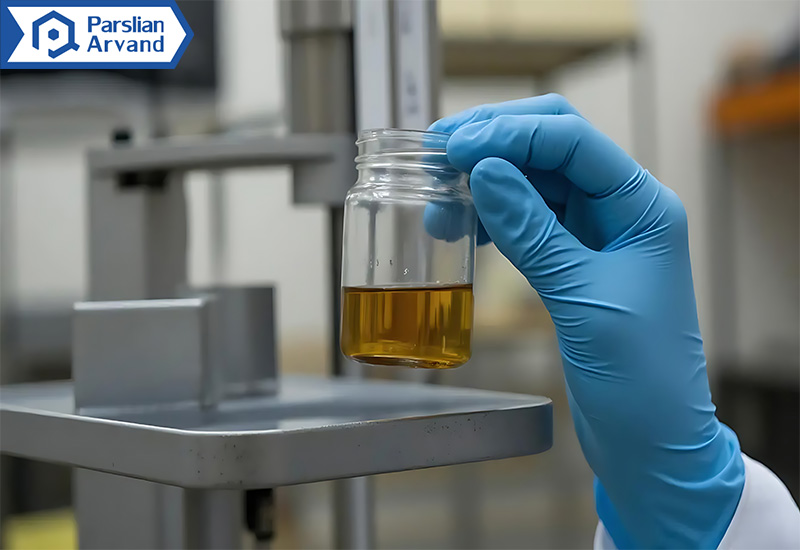
Diesel fuel testing services provide the evidence businesses need before they release, purchase, store, blend, import, export, or use refined fuel. A reliable diesel laboratory does not simply return a list of numbers. It connects each result to the correct test method, product specification, sample identity, and commercial decision.
Parsbehinlab provides laboratory testing and quality control services for diesel, gasoline, fuel oil, jet fuel, lubricants, hydrocarbons, solvents, and other refined petroleum products. The company reports that its petroleum products laboratory operates under ISO/IEC 17025 accreditation and covers 58 test methods. Its services are designed for refineries, exporters, regulators, inspection companies, traders, industrial operators, and other organizations that need traceable analytical results.
For B2B clients, Diesel Testing is often linked to immediate financial and operational questions. Does the cargo meet the contract? Can the batch be released? Has water entered a storage tank? Is the fuel consistent with the declared grade? Will the report satisfy the buyer, inspector, regulator, or customs authority?
A carefully planned diesel fuel testing program helps answer these questions before a quality problem becomes a rejected shipment, equipment failure, contractual dispute, or costly interruption.
Why Diesel Fuel Quality Requires Laboratory Verification
Diesel is a middle distillate fuel with performance characteristics that depend on its composition, refining history, storage conditions, handling, and possible blending components. Two samples that look similar can behave differently in an engine or fail different parts of a specification.
A diesel laboratory evaluates measurable properties instead of relying on appearance, supplier claims, or field assumptions. Depending on the applicable specification, diesel quality testing may cover ignition quality, density, viscosity, sulfur, distillation behavior, flash point, water, sediment, cold flow properties, corrosion tendency, lubricity, carbon residue, ash, and other parameters. ASTM D975 provides a specification framework for multiple diesel fuel grades and references the properties and test methods used to evaluate them.
These properties do not all answer the same question. Cetane relates to ignition behavior. Sulfur relates to product grade, emissions requirements, and compatibility with modern exhaust treatment systems. Density and distillation provide information about fuel composition and volatility. Water and sediment can indicate handling or storage problems. Flash point contributes to safe classification and handling.
This is why diesel fuel testing should begin with a defined objective. A routine refinery release program is different from an import conformity assessment. A complaint involving blocked filters requires a different approach from a contract that asks only for sulfur, density, and cetane index.

Diesel Laboratory Services from Parsbehin laboratory
Parsbehinlab’s petroleum products laboratory lists diesel among the fuels covered by its testing and quality control activities. Its published capabilities include viscosity, density, sulfur, flash point, pour point, distillation range, total acid number, total base number, and related petroleum tests. The laboratory also lists a calculated cetane index method based on INSO 8525 and ASTM D976.
The broader service process includes sample acceptance, coding and registration, technical review of the request, assignment to the relevant specialist, performance of the tests, review by technical management, and release of the result.
For clients with wider petroleum testing requirements, visit the Petroleum Laboratories section to review the broader range of fuel, lubricant, hydrocarbon, solvent, grease, and petroleum product analysis services.
Key Diesel Quality Testing Parameters
The appropriate diesel fuel testing package depends on the specification, fuel grade, destination, and purpose of the report. The following table summarizes common areas of diesel quality analysis. The listed methods are representative industry methods. The final method must be agreed with the laboratory and checked against its current accredited scope.
| Test area | What it evaluates | Common method examples | Typical business use |
|---|---|---|---|
| Cetane number or cetane index | Ignition quality and ignition delay behavior | ASTM D613, ASTM D6890, ASTM D976 | Product grading, contract compliance, refinery release |
| Total sulfur | Sulfur concentration in the fuel | ASTM D5453, ASTM D4294 | Regulatory control, grade verification, import and export |
| Density | Mass per unit volume at a stated temperature | ASTM D4052, ASTM D1298 | Quantity conversion, product identity, blending control |
| Kinematic viscosity | Resistance to flow at a defined temperature | ASTM D445, ASTM D7042 | Injection behavior, handling, specification compliance |
| Distillation range | Fuel boiling characteristics | ASTM D86 | Volatility profile, product consistency, contamination investigation |
| Flash point | Lowest temperature at which vapors ignite under test conditions | ASTM D93 | Handling safety, classification, contamination screening |
| Water and sediment | Free water and suspended solids | ASTM D2709 | Storage assessment, cargo acceptance, contamination checks |
| Water by Karl Fischer | Low level entrained water | ASTM D6304 | Sensitive water measurement and troubleshooting |
| Pour point and cloud point | Low temperature flow behavior | ASTM D97, ASTM D2500 | Seasonal suitability, storage, and transport planning |
| Cold filter plugging point | Filterability at low temperature | ASTM D6371 | Winter operability and distribution control |
ASTM D86 covers atmospheric distillation testing for petroleum products and liquid fuels, including diesel fuels. ASTM D4052 covers density, relative density, and API gravity measurement for petroleum distillates and oils. ASTM D2709 is used to assess free water and sediment in middle distillate fuels.
No single result proves that a diesel sample is fully compliant. Diesel quality testing is normally evaluated as a set of results against a named specification and its acceptance limits.
Cetane Number Testing and Cetane Index
Cetane number is associated with the ignition quality of diesel fuel. ASTM D613 determines cetane number using a standardized single cylinder, four-stroke, variable compression ratio diesel engine.
Other methods can determine a derived cetane number through constant volume combustion equipment. These methods evaluate ignition delay under controlled conditions and convert the measurement into a derived cetane value.
Cetane number testing should not be confused with calculated cetane index. ASTM D976 calculates an index from density and distillation data. It can provide an estimate of ignition quality for suitable conventional diesel fuels, but it is not a direct engine measurement and may not be appropriate for every fuel composition.
This distinction is especially important for fuels containing cetane improver additives, unusual blending components, or alternative materials. A calculated index may not reflect the effect of an ignition improver in the same way as direct cetane number testing.
Parsbehinlab’s published petroleum laboratory table identifies cetane index testing according to ASTM D976. When a purchase contract specifically requires cetane number testing, the client should state the exact method and ask the laboratory to confirm availability, scope status, sample quantity, and reporting language before submitting the sample.
For commercial clarity, the request should specify one of the following:
- Cetane number by a named engine method
- Derived cetane number by a named combustion method
- Calculated cetane index by ASTM D976 or another agreed calculation
- A complete diesel specification in which the required ignition quality method is already defined
Using the correct term prevents a technically valid result from being rejected simply because the contract requested a different measurement.
Sulfur in Diesel Testing
Sulfur in diesel testing is central to refined fuel quality analysis. Sulfur limits vary by fuel grade, market, regulation, and end use. The correct analytical method must have a suitable measurement range and precision for the expected concentration.
ASTM D5453 covers total sulfur in light hydrocarbons, diesel engine fuel, and oils by ultraviolet fluorescence. ASTM D4294 uses energy-dispersive X-ray fluorescence for sulfur in petroleum and petroleum products. Method selection should consider concentration, sample matrix, specification requirements, and whether one method is designated as the reference method.
ASTM states that D5453 can be used for sulfur measurement in process feeds, finished products, and regulatory control applications. That makes sulfur in diesel testing relevant to refinery release, cargo verification, import control, export documentation, supplier qualification, and investigation of mixed or incorrectly declared fuels.
Parsbehin lab lists sulfur among the tests available through its petroleum products laboratory. Clients should provide the expected sulfur range, applicable standard, and required reporting unit. This is particularly important when the difference between acceptance and rejection may be only a small number of milligrams per kilogram.
A complete request for sulfur analysis should identify:
- The declared diesel grade
- The required sulfur limit
- The preferred or mandatory method
- The expected concentration range
- The requested unit
- Whether a statement of conformity is required
- The decision rule to be applied where relevant
Fuel Contamination Testing
Fuel contamination testing is not one universal test. Contamination may involve water, sediment, rust, dust, microbial growth, gasoline, kerosene, heavier fuel, lubricating oil, chemicals, or an unintended blend component. The investigation must be designed around the suspected source and observed symptoms.
Water can enter through condensation, damaged seals, poor drainage, transport, or sampling. Sediment may accumulate in tanks and become suspended during transfer. Cross product contamination can alter flash point, viscosity, density, distillation behavior, or ignition quality.
ASTM D2709 is used as an indication of free water and sediment suspended in middle distillate fuels, including common diesel grades. More sensitive water measurement can be performed by Karl Fischer methods such as ASTM D6304 where appropriate. ASTM D6304 covers direct and indirect determination of entrained water in petroleum products and hydrocarbons using automated instrumentation.
“This test method is used as an indication of free water and sediment.”
Source: ASTM International, ASTM D2709
Effective diesel fuel testing for contamination may combine several observations and measurements:
- Visual appearance and sample condition
- Water and sediment
- Density
- Distillation profile
- Flash point
- Viscosity
- Sulfur
- Infrared or chromatographic comparison where appropriate
- Microbiological testing where microbial contamination is suspected
A normal water result does not rule out every form of contamination, and a density change alone does not identify the source. Diesel laboratory analysis should compare the result pattern with a control sample, supplier certificate, retained sample, or governing specification.
Refined Fuel Testing for Refineries
Refineries need test data at several points in production and release. Feed characteristics, intermediate streams, blending components, and finished diesel may all require different analytical programs.
Refined fuel testing can support:
- Blend optimization
- Final batch release
- Verification of sulfur reduction
- Comparison of production units
- Investigation of an unusual distillation profile
- Confirmation of density and viscosity
- Evaluation of storage or transfer contamination
- Independent confirmation of an internal laboratory result
An external diesel laboratory is useful when a refinery needs independent data for a buyer, regulator, tender, or dispute. The request should identify whether the sample is finished diesel, an intermediate stream, or a blend component.
Applying a finished product specification to an intermediate material without sufficient context may create a misleading conclusion. The test program should always reflect the sample type and the decision the results are intended to support.
Diesel Testing for Importers, Exporters, and Traders
In fuel trading, analytical results can affect payment, acceptance, demurrage, blending decisions, claims, and future supplier relationships. Diesel fuel testing must therefore be planned before the commercial deadline, not after a dispute has already developed.
For exporters, diesel fuel quality control may be required before loading, during inspection, or as part of a certificate package. For importers, refined petroleum testing may support customs procedures, regulatory conformity, purchase verification, and comparison with the supplier certificate.
A focused trading test package may include sulfur, density, flash point, distillation, water and sediment, viscosity, and ignition quality. A complete specification package may be necessary when the contractual product description is broad or when the buyer requires full conformity.
Representative sampling is critical. A precise laboratory result cannot correct a sample that does not represent the tank, cargo, compartment, or batch. The sampling location, time, procedure, seal number, and chain of custody should be documented whenever the result may be used in a commercial claim.
Diesel Fuel Quality Control for Storage and Industrial Users
Diesel can change during storage. Water may accumulate, solids may settle, and cross-contamination may occur during transfer. Cold weather can also expose unsuitable low-temperature behavior.
A diesel fuel quality control program should reflect tank design, turnover, climate, supplier history, drainage practices, and the importance of the equipment being supplied.
Emergency generators, hospitals, data centers, factories, telecommunications sites, mining operations, marine facilities, and power plants cannot afford to discover a fuel problem during an outage or critical operation.
A practical program may include:
- Baseline testing after the tank is filled
- Controlled sampling from defined tank locations
- Periodic water and sediment checks
- Comparison of density, viscosity, and flash point
- Additional fuel contamination testing after maintenance or a new delivery
- Investigation when filters block or fuel appears hazy
- Retention of reports for comparison over time
The testing schedule should reflect operational risk instead of relying on an arbitrary calendar.

How Diesel Laboratory Analysis Supports Commercial Decisions
Diesel laboratory analysis can support a wide range of decisions, from accepting a delivery to investigating an engine complaint. The value of the result depends on whether the test package addresses the actual commercial question.
A supplier certificate may be sufficient for a routine low-risk delivery. Independent diesel quality analysis may be required when the product is imported, sold to a new buyer, transferred between storage facilities, or involved in a contractual dispute.
For dispute-related testing, the parties should preserve:
- Sealed samples from loading and discharge
- Tank or compartment identification
- Sampling records
- Supplier certificates
- Inspection reports
- Transfer logs
- Previous laboratory reports
- Details of filter or engine problems
An independent diesel laboratory can compare retained samples using the agreed test methods. This may help distinguish a genuine product quality problem from a sampling, storage, transfer, or documentation issue.
Selecting the Right Diesel Laboratory
Not every laboratory is suitable for every diesel project. The correct choice is based on technical competence, accreditation scope, method availability, communication, and the intended use of the report.
Before selecting a laboratory for diesel fuel testing and placing an order, ask:
- Is the method included in the current ISO/IEC 17025 scope?
- Does the laboratory regularly evaluate this type of diesel?
- What sample volume and container are required?
- What is the expected turnaround time?
- Can the report use the required language and units?
- Are sampling, inspection, and retained sample services available?
- Can a statement of conformity be issued when required?
Parsbehin lab reports that its petroleum products laboratory supports refineries, exporters, regulators, and industrial operators. Its published product scope includes diesel, gasoline, jet fuel, fuel oil, lubricants, hydrocarbons, solvents, bitumen products, and greases.
From Sample Receipt to Final Report
A useful report begins before the test starts. The diesel laboratory must understand what the client needs and whether the sample is suitable for the requested work.
Parsbehinlab describes the following general process:
- The sample is received, coded, and registered.
- Technical management reviews the request.
- The work is assigned to the relevant specialist.
- Testing is performed according to the approved request.
- Results are reviewed and approved by technical management.
- The final result is released to the client.
To avoid delays, clients should submit the product name, declared grade, sample source, requested tests, methods, limits, reporting units, deadline, and purpose of analysis.
Where applicable, include the contract, specification, inspection reference, sampling record, and seal details.
Request Diesel Fuel Testing Services
Parslian Arvand provides diesel fuel testing and quality control services refined petroleum testing for organizations that need objective data for quality control, trade, inspection, production, storage, import, or export.
For an accurate quotation, identify the diesel grade, governing specification, required parameters, preferred methods, sample count, and reporting deadline.
Whether the project involves routine diesel fuel testing, urgent fuel contamination testing, sulfur verification, or detailed diesel quality analysis, early coordination helps ensure that the correct tests are selected from the start.
Contact Parslian Arvand to discuss your sample requirements, applicable specifications, testing methods, turnaround time, and reporting needs.
Frequently Asked Questions for Diesel fuel testing
What is included in diesel fuel testing services?
Diesel fuel testing services may include cetane number or cetane index, sulfur, density, viscosity, distillation, flash point, water, sediment, cloud point, pour point, cold filter plugging point, lubricity, corrosion, and other parameters. The final package depends on the applicable specification, product grade, destination, and purpose of testing.
What is the difference between cetane number testing and cetane index?
Cetane number testing evaluates ignition quality through a standardized combustion based method. Cetane index is calculated from physical properties such as density and distillation data. They are related, but they are not interchangeable in every contract or fuel type.
Does Parslian Arvand offer diesel laboratory analysis?
Parslian Arvand lists diesel within the scope of its petroleum products laboratory. Its published capabilities include density, viscosity, sulfur, flash point, pour point, distillation range, and calculated cetane index. The exact method and current accreditation status should be confirmed for each order.
Why is sulfur in diesel testing important?
Sulfur in diesel testing confirms sulfur concentration against a product grade, contractual requirement, or regulatory limit. The result may support refinery release, import and export control, trading, inspection, and supplier verification.
Can a laboratory identify contaminated diesel?
Fuel contamination testing can detect or indicate many problems, including water, sediment, cross product mixing, and changes in key physical properties. Identifying the exact contaminant may require several tests and comparison with a reference or retained sample.
How much sample does a diesel laboratory need?
Sample volume depends on the number and type of tests. Some methods require only a small quantity, while a broader diesel quality testing package may require one liter or more. The required volume, container, preservation, and transport conditions should be confirmed before sampling.
Can refined fuel testing support a commercial dispute?
Yes. Refined fuel testing can provide independent analytical evidence. Its value depends on representative sampling, seal integrity, chain of custody, correct method selection, and a clearly defined specification.
What information should be sent with the sample?
Provide the product name, declared grade, batch or tank number, sample date, source, requested methods, specification limits, reporting units, deadline, and purpose. Include inspection and seal details when the result may support a commercial claim.
How quickly can Diesel Testing be completed?
Turnaround time depends on the test package, method duration, instrument availability, sample condition, and reporting requirements. Clients should confirm the schedule before sending the sample, particularly when results are needed for cargo release, customs clearance, or a contractual deadline.
How can I request diesel fuel quality control services?
Send Parslian Arvand the sample details, applicable specification, required parameters, number of samples, and requested completion date. The technical team can then confirm feasibility, required sample quantity, available test methods, and reporting arrangements.